Cut Your Teeth on This (Processor), 2026
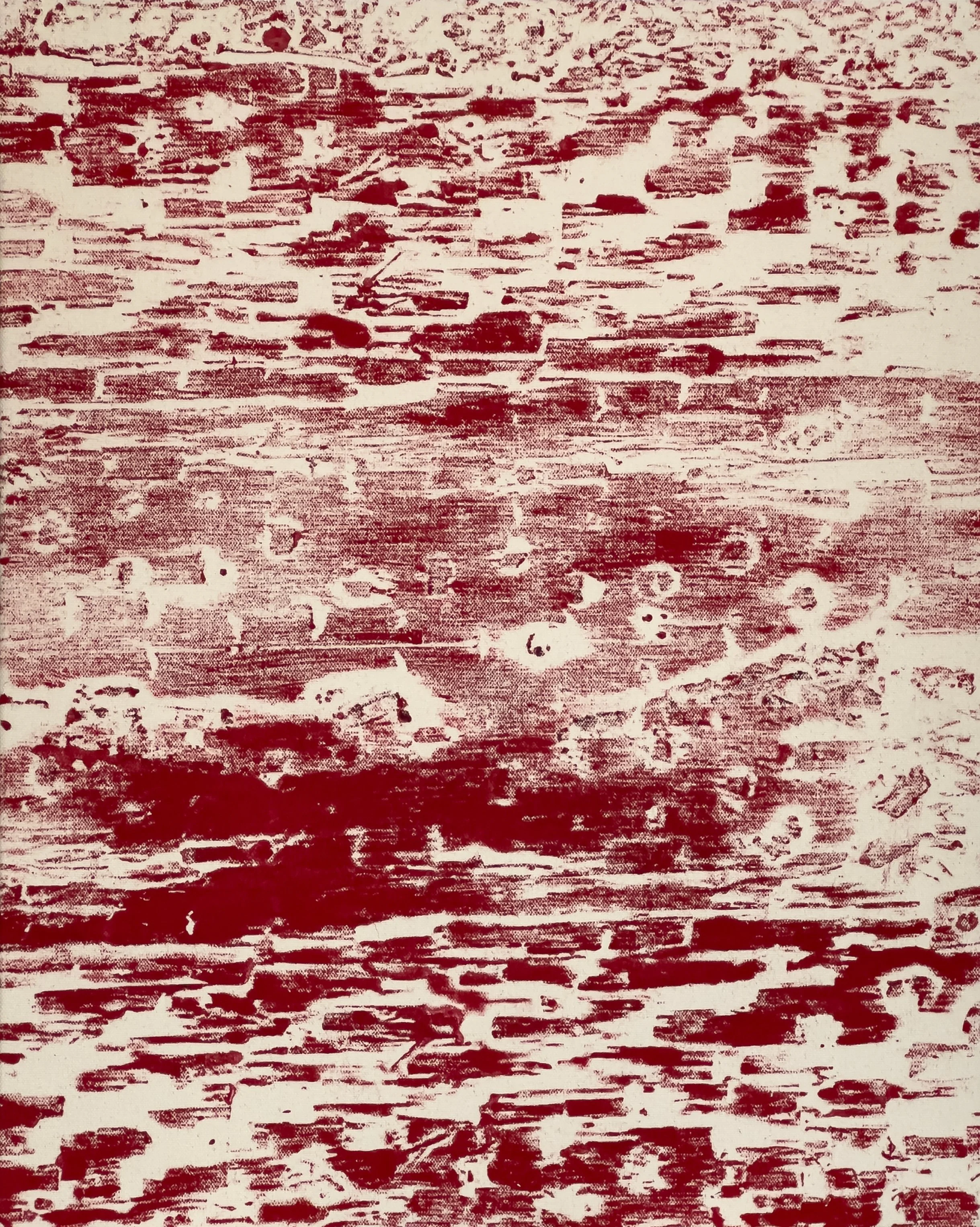
Cut Your Teeth on This is a body of variable relief prints produced from sections of Douglas fir logs sourced from active forestry sites in the Pacific Northwest. Each log is printed after the removal of limbs and bears the distinctive grid-like impressions left by the delimbing and debarking head of an industrial processor—one of the earliest mechanical interventions visible on harvested timber
This work records those impressions as material artifacts of the forestry process, translating the interface between natural growth patterns and mechanized extraction into a field of textured marks. By inking the log’s surface and transferring the relief directly onto paper or canvas, Crowle preserves both the anatomy of the tree and the standardized imprint of industrial machinery. The works position these surfaces as documents of a larger extractive choreography—where organic form and industry converge.
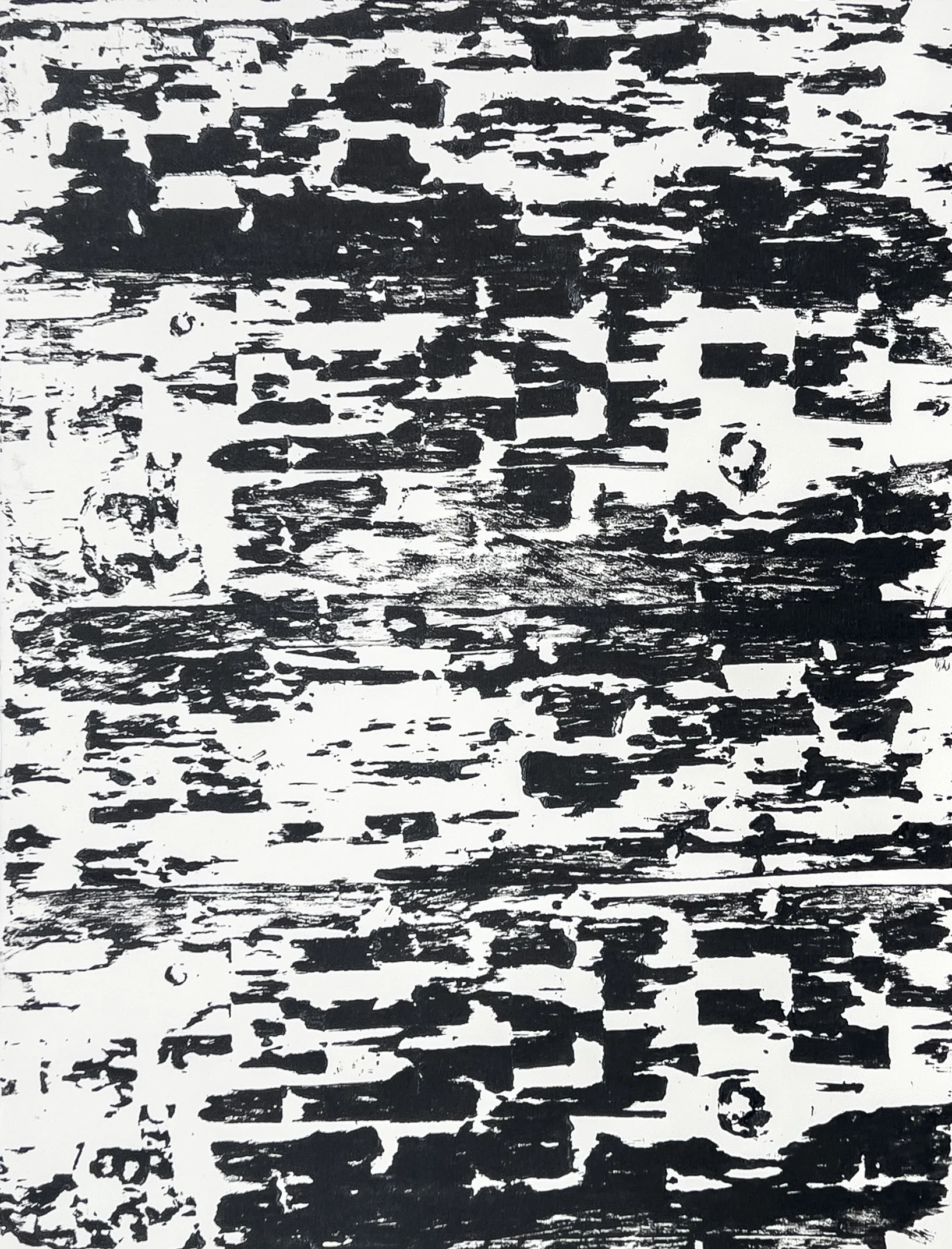
Processor, Black A-2, 2025
Relief Print on paper
14 x 18 in
Edition of 6, Varriable Edition
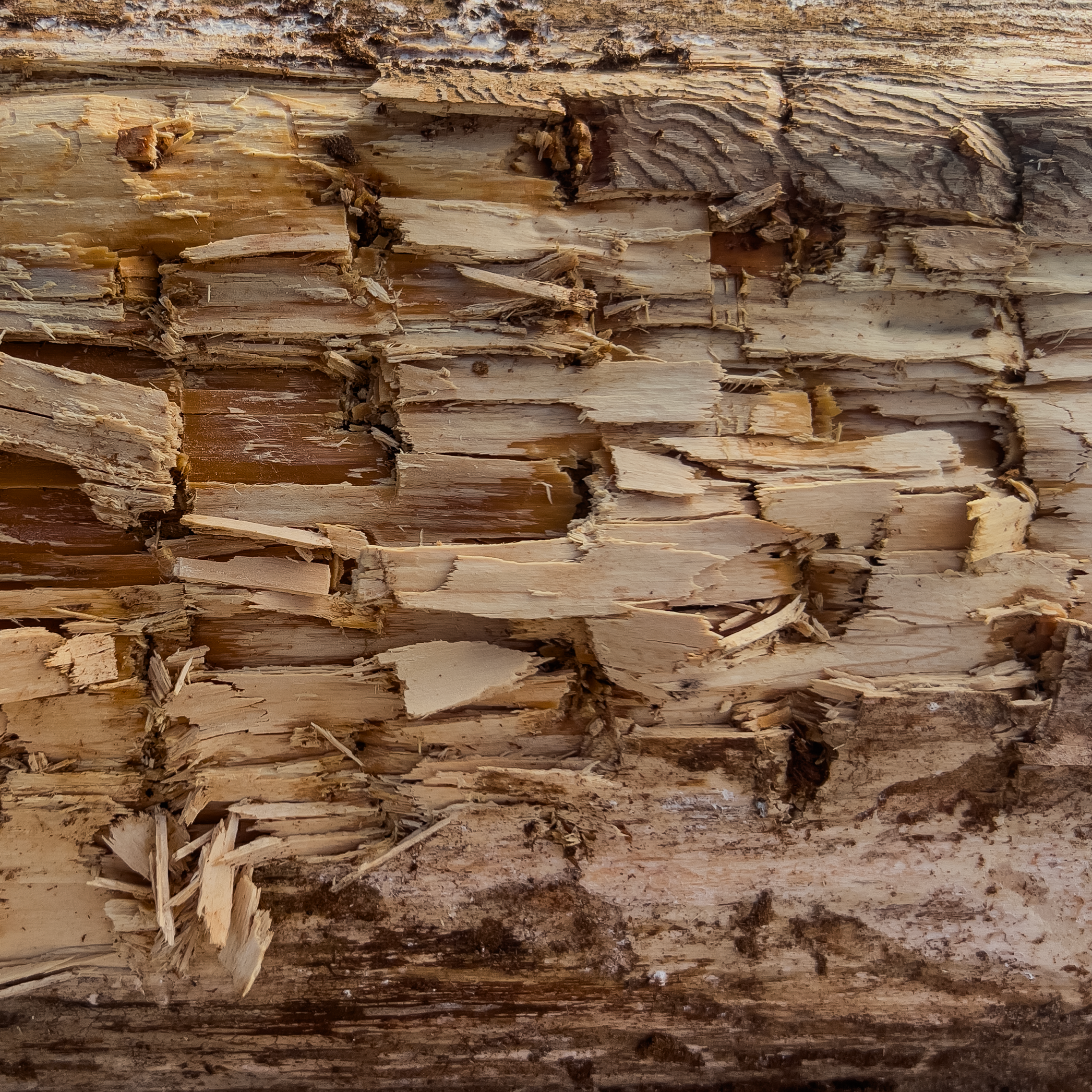
Detail:
Douglas Fir log surface, before printing
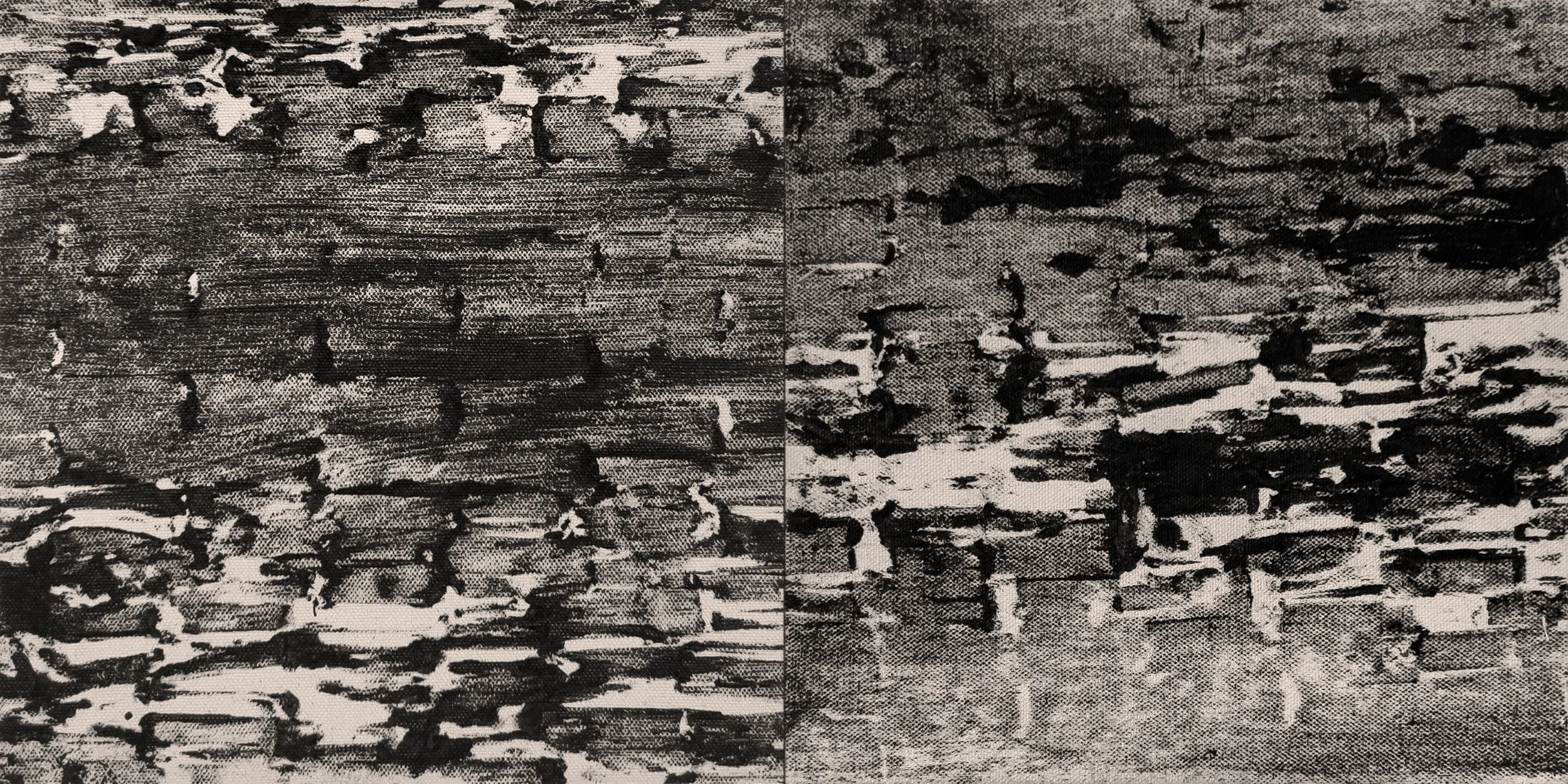
Processor C-3, Black, 2026
Ink and gesso on canvas
8 × 16 in (20.3 × 40.6 cm)
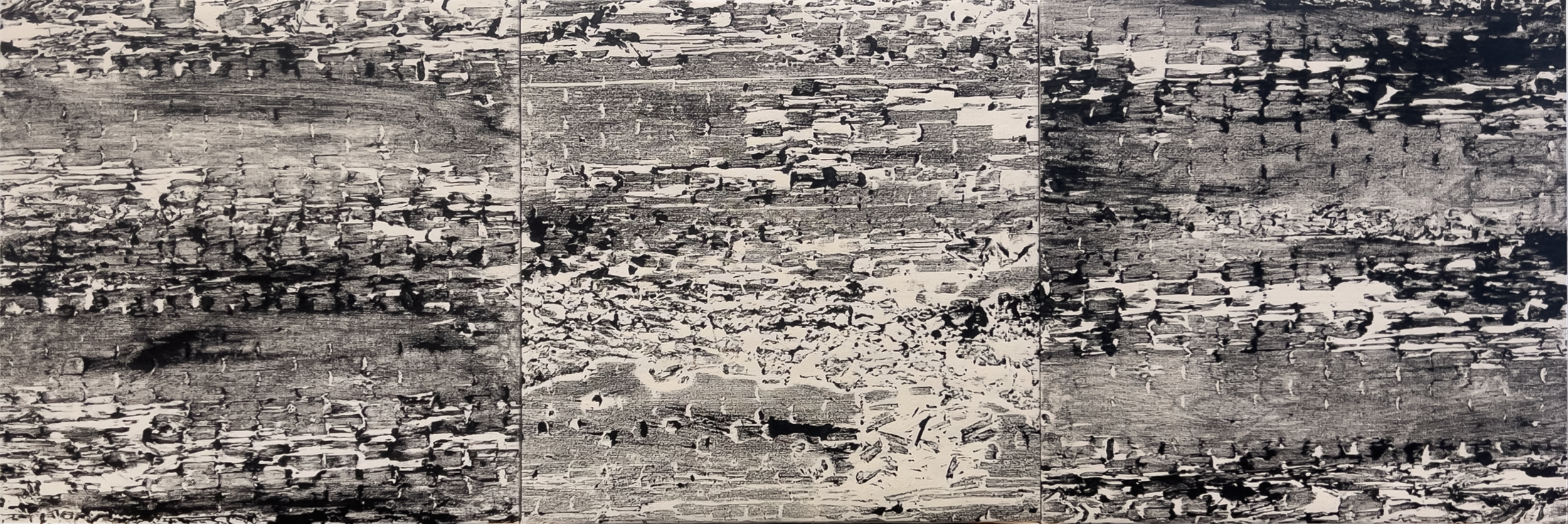
Processor C-7, Black, 2026
Ink and gesso on canvas
20 × 60 in (50.8 × 152.4 cm)
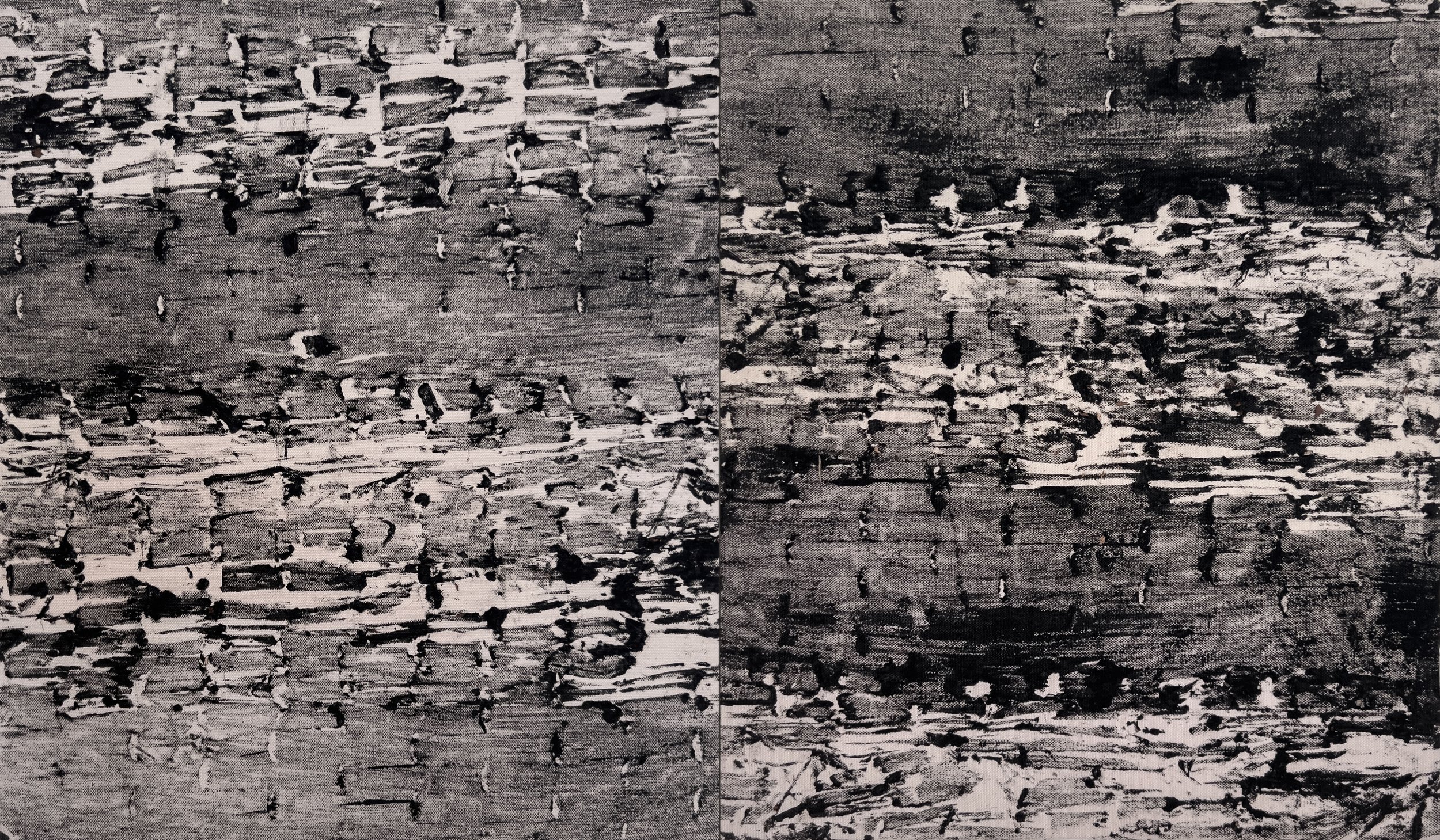
Processor C-4, Black, 2026
Ink and gesso on canvas
16 × 28 in (40.6 x 71.1cm)
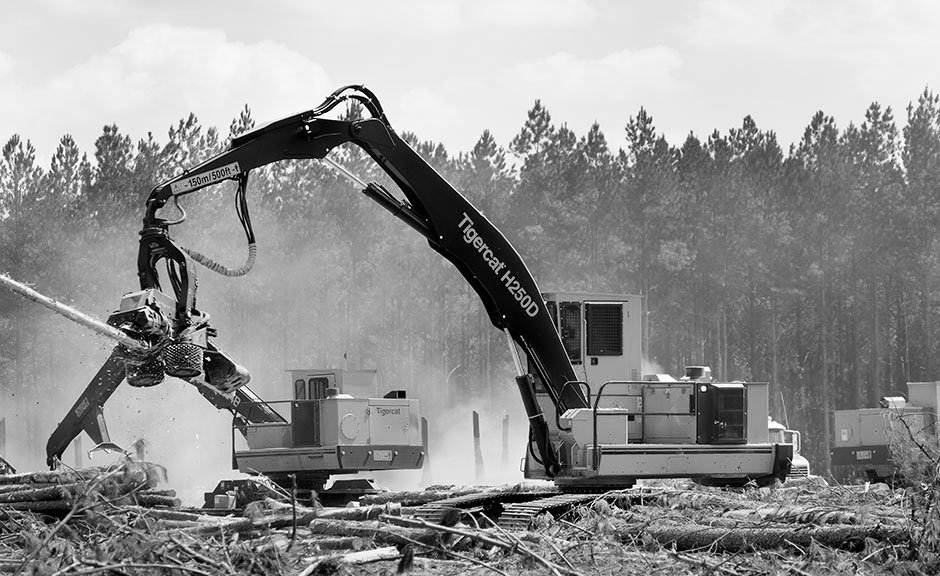
As part of the broader Trees Rivers Roads project, these Processor works reflect on the infrastructures that shape contemporary landscape economies at its earliest stage. The works function simultaneously as conceptual record, and sculptural impression.

Processor D-1, 2026
Ink, gesso, and acrylic on canvas
20 × 16 in (50.8 × 40.6 cm)
Processor D-2, 2026
Ink, gesso, and acrylic on canvas
20 × 16 in (50.8 × 40.6 cm)

Processor C-10, Tigercat, 2026
Ink, gesso, and acrylic on canvas
51.5 × 48 in (130.8 × 121.9 cm)

Processor C-12, 2026
Ink, gesso and acrylic on canvas
15 × 47.5 in (38.1 × 120.7 cm)
“I wanted to capture the processor’s imprint as an artifact in contrast to the tree surface—one of the earliest industrial marks eventually erased as the log moves through forestry. Fixing this impression as a relic of process highlights a moment where natural material is introduced to system, and it’s appropriately aggressive and grid-like, a gesture that sort of cements the process in this industrial way.”
—Jer Crowle
Exerpt from Artist Statement: Cut Your Teeth on This, Processor, 2026
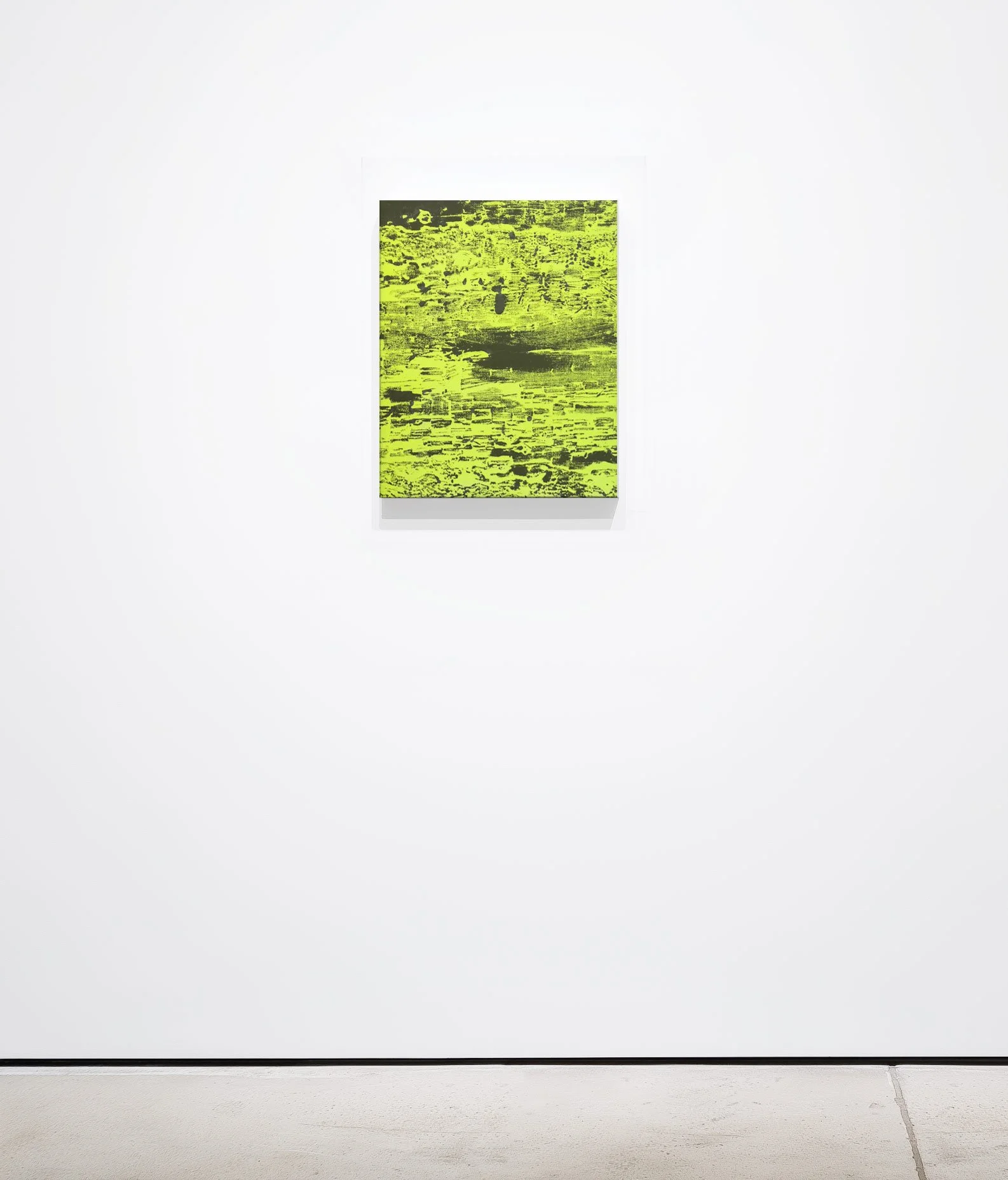
Processor D-4, 2026
Ink, gesso, and acrylic on canvas
20 × 16 in (50.8 × 40.6 cm)
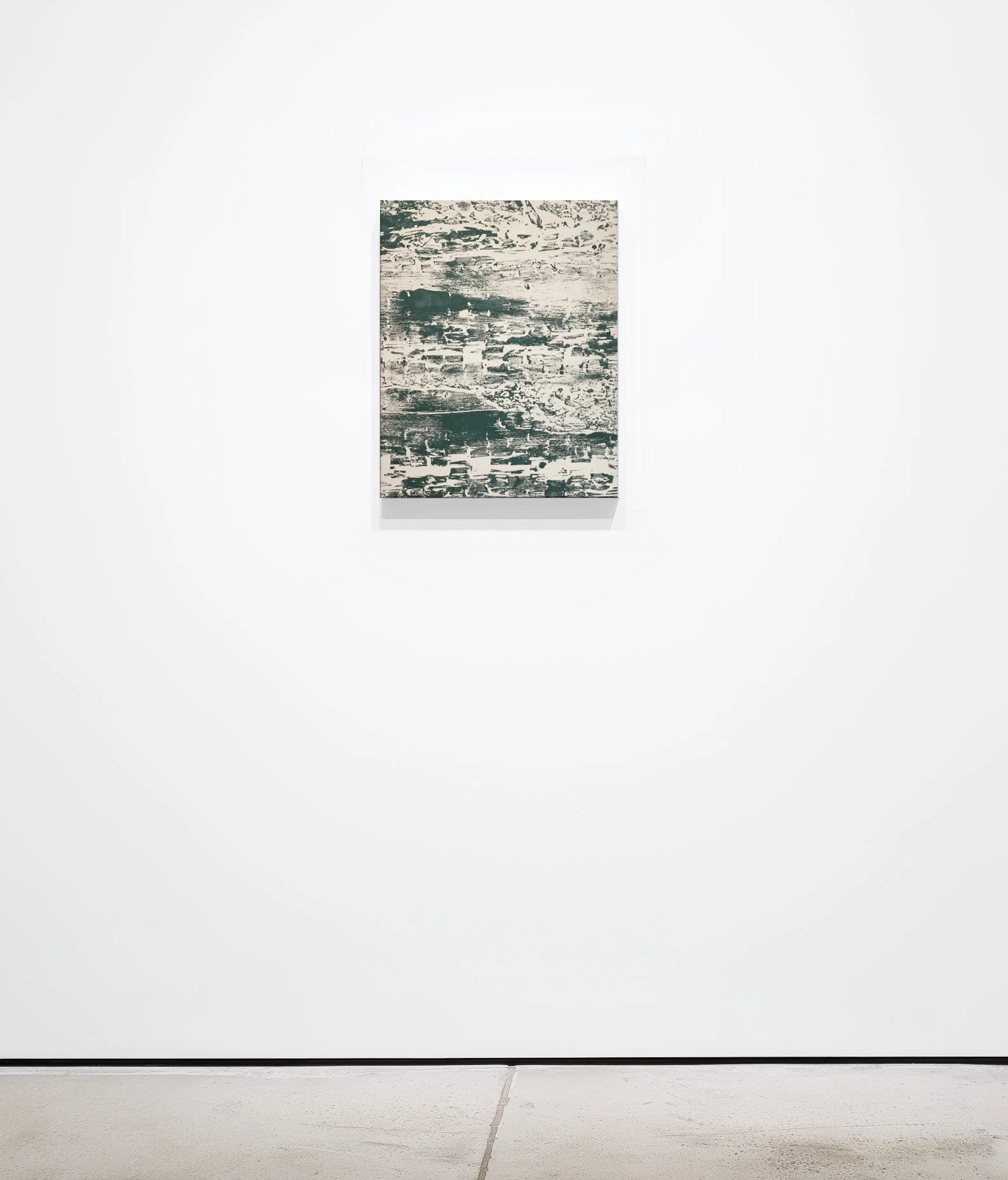
Processor D-5, 2026
Ink, gesso, and acrylic on canvas
20 × 16 in (50.8 × 40.6 cm)
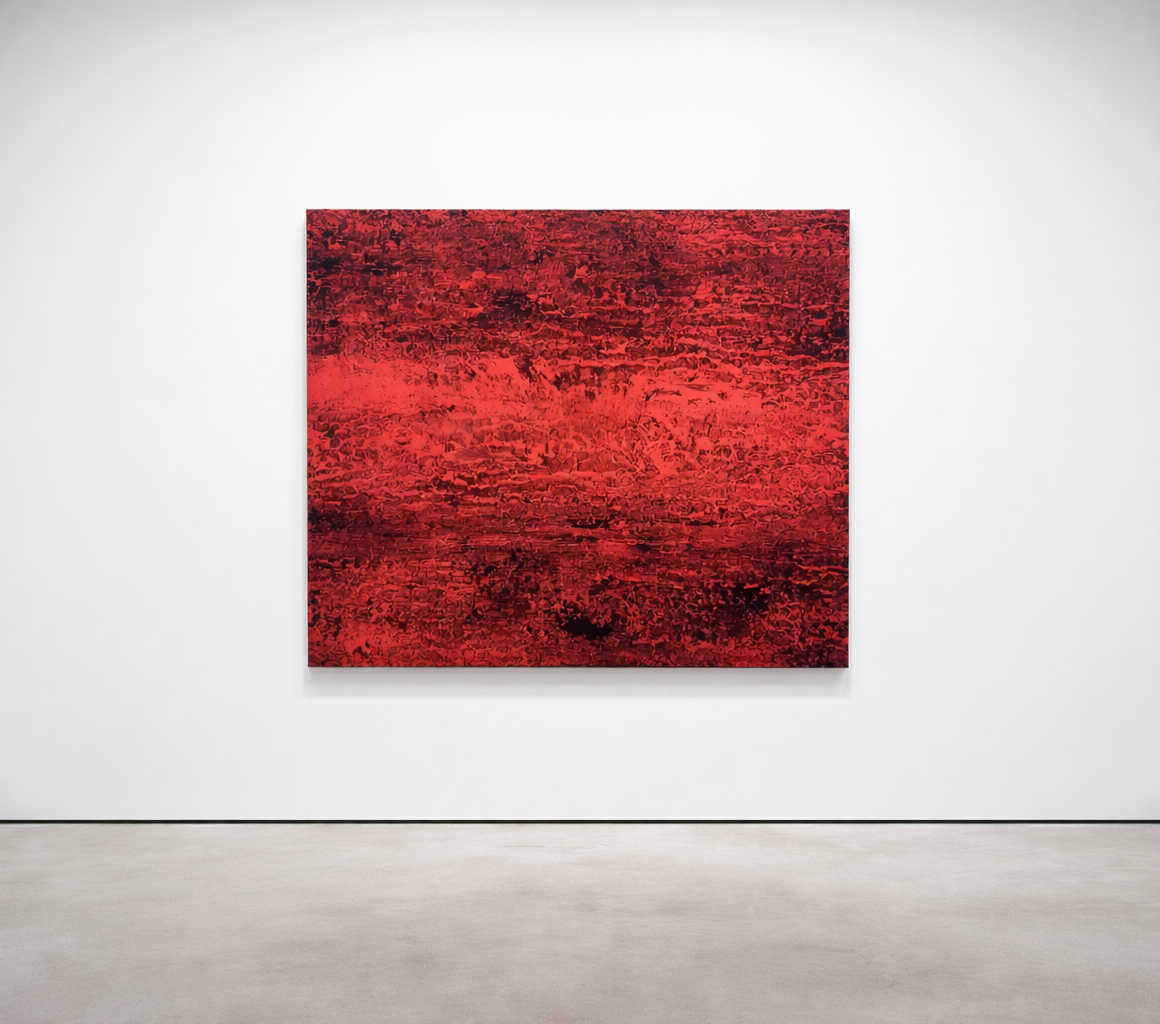
Processor, NO. 15, Red, 2025
Ink, gesso, and acrylic on canvas
47.5 × 53 in (120.7 × 134.6 cm)